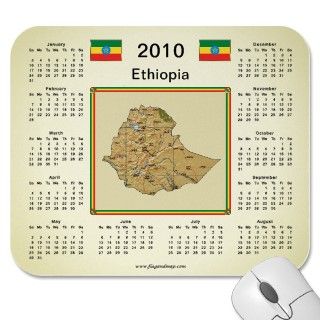
Ethiopia follows a 13-month lunar calendar with each month lasting 30 days, except the 30th month of five days (six days if it’s a leap year). Consequently, it is now 2012 instead of 2019.
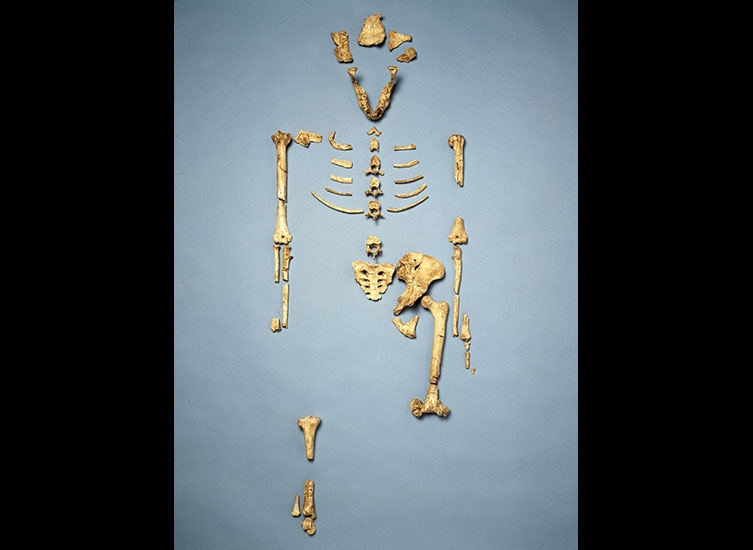
Recent archeological and genetic evidences suggest that the origin of the human race is from Ethiopia.
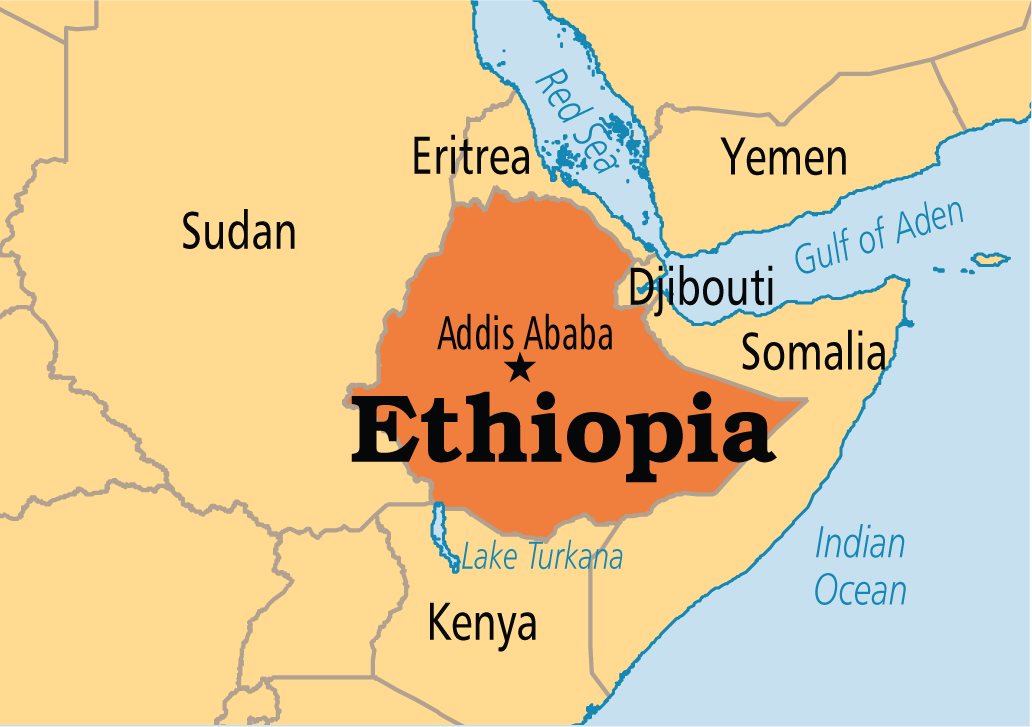
Located in the continent of Africa, Ethiopia covers 1,000,000 square kilometers of land and 104,300 square kilometers of water, making it the 27th largest nation in the world with a total area of 1,104,300 square kilometers.
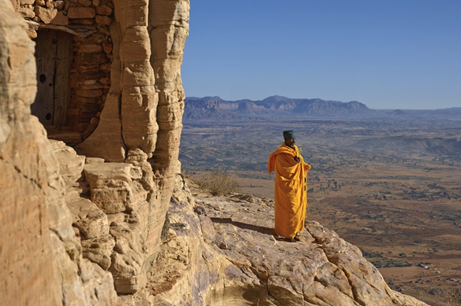
Lalibela (Amharic: ላሊበላ) is a town in Amhara Region, Ethiopia famous for its rock-cut monolithic churches. The whole of Lalibela is a large antiquity of the medieval and post-medieval civilization of Ethiopia.[1] Lalibela is one of Ethiopia's holiest cities, second only to Axum, and a center of pilgrimage. Unlike Axum, the population of Lalibela is almost completely Ethiopian Orthodox Christian.
The Battle of Adwa (Tigrinya: ዓድዋ; Amharic: አድዋ; Italian Adua) was the climactic battle of the First Italo-Ethiopian War. Led by Emperor Menelik II, Ethiopian forces, with the aid of Russia and France, defeated an invading Italian force on 1 March 1896, near the town of Adwa in Tigray. The decisive victory thwarted the Kingdom of Italy's campaign to expand its colonial empire in the Horn of Africa and secured the Ethiopian Empire's sovereignty for another forty years. As the only African nation to successfully resist European conquest during the scramble for Africa, Ethiopia became a pre-eminent symbol of the pan-African movement and international opposition to colonialism
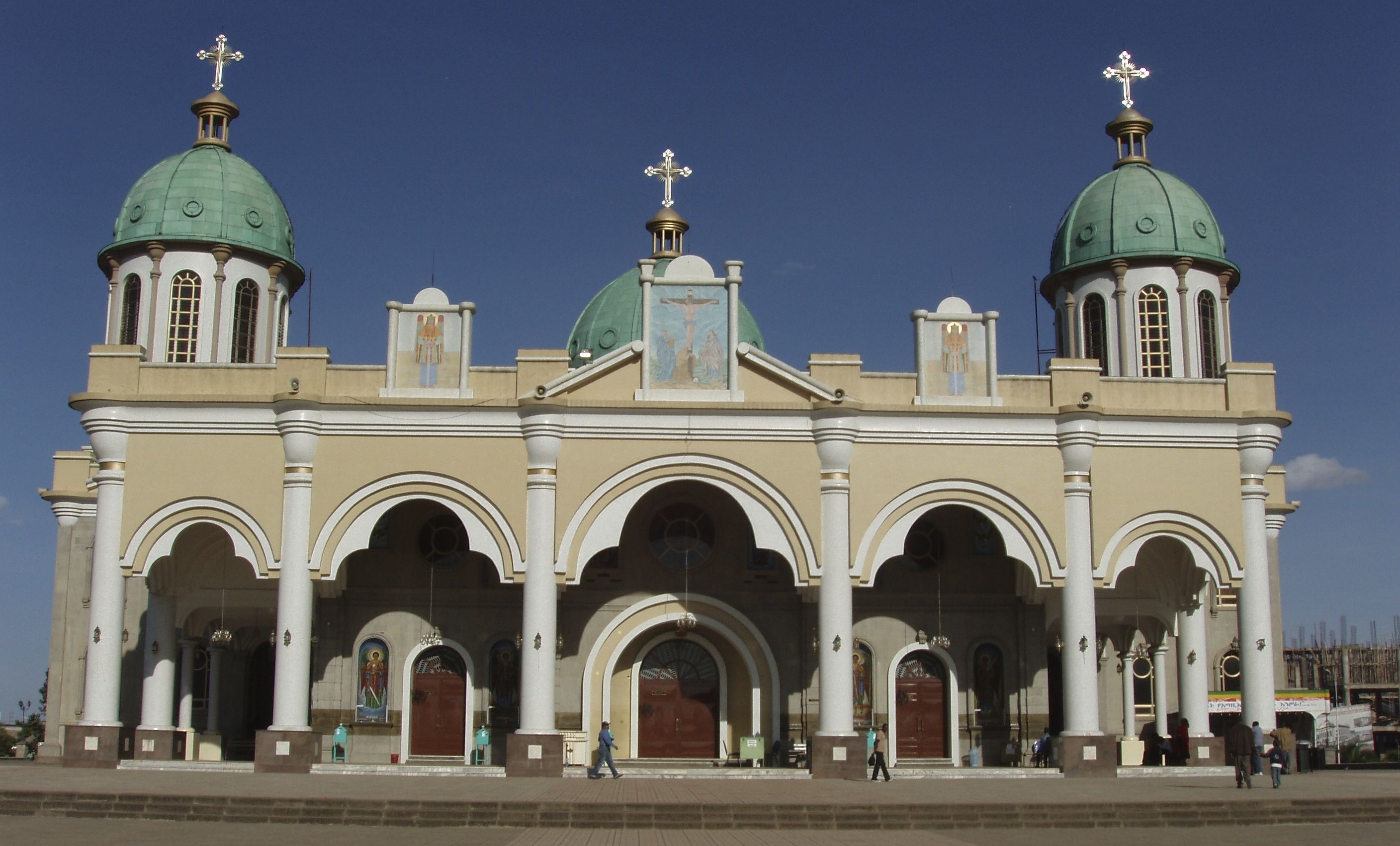
Ethiopian Christianity begins with ancient accounts of Christianity’s introduction to Ethiopia by St. Frumentius and King Ezana in the early 300s CE. Esler traces how the church and the monarchy closely coexisted, a reality that persisted until the death of Haile Selassie in 1974. This relationship allowed the emperor to consider himself the protector of Orthodox Christianity. The emperor's position, combined with Ethiopia’s geographical isolation, fostered a distinct form of Christianity—one that features the inextricable intertwining of the ordinary with the sacred and rejects the two-nature Christology established at the Council of Chalcedon.